
We know eyedrops are too big. Patients are paying the price.
Current bottles are wasteful by design. The solution that honors the science and supports your patients is here.


FDA-Listed Device

3,000+ Partner Clinics

Peer-Reviewed Research
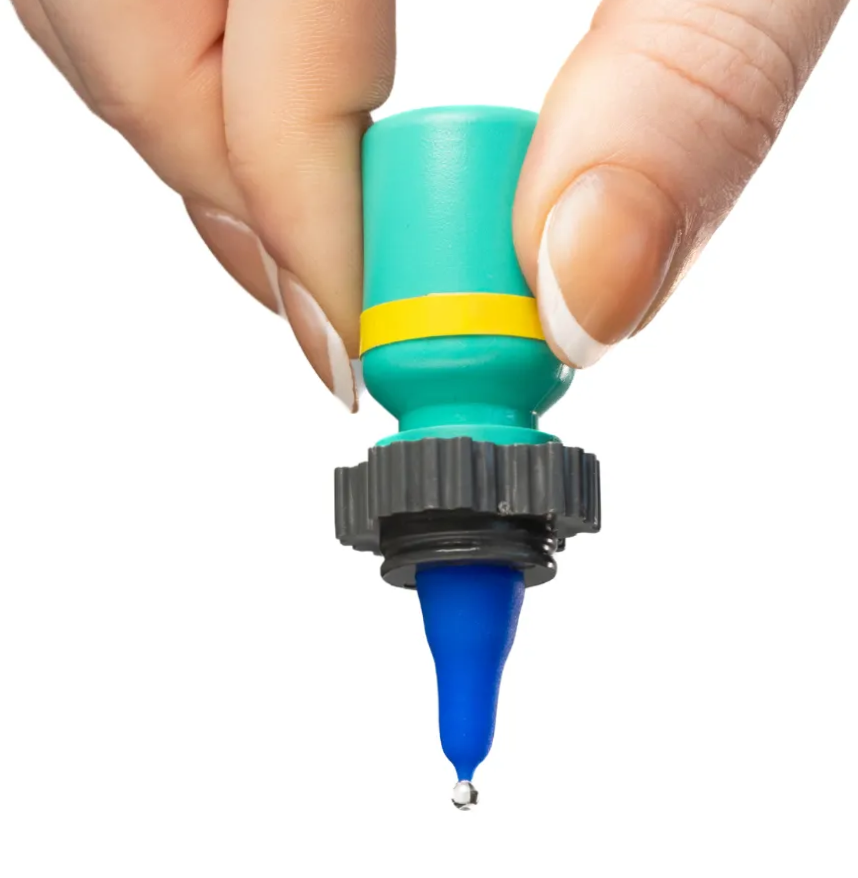
Why the 70+ year-old design needed updating
We all know the standard eyedrop is too big. Since the dawn of topical delivery, the standard drop size has hovered between 30–50 μL. Yet, we know the human eye can only accommodate 7–10 μL of fluid. The result? Overflow, messy application, and wasted medication. This isn’t new information, it is a known physiological disconnect that eye care professionals have had to tolerate due to the flawed design of legacy bottles.
"We demonstrated in the 1980s that smaller drops are just as effective, with reduced systemic absorption. It was true then, and it is true now."
— Dr. Reay Brown
From 1980s Research to 2017: The clinical evidence regarding micro-volume delivery was established by Dr. Brown and Dr. Lynch over 30 years ago. But for decades, the bottle design remained stagnant. In 2017, Dr. Allisa Song read an article titled "Drug Companies Make Eyedrops Too Big and You Pay for the Waste" and asked the obvious question: Why hasn't anyone fixed the bottle? That question birthed Nanodropper. We didn't reinvent the medication; we simply perfected the delivery to align with the science you already trust.
The Solution
Nanodropper: Bridging the gap between historical research and modern patient care.
Nanodropper extends bottle-life by 2.6x
- Published in Medical Devices: Evidence and Research
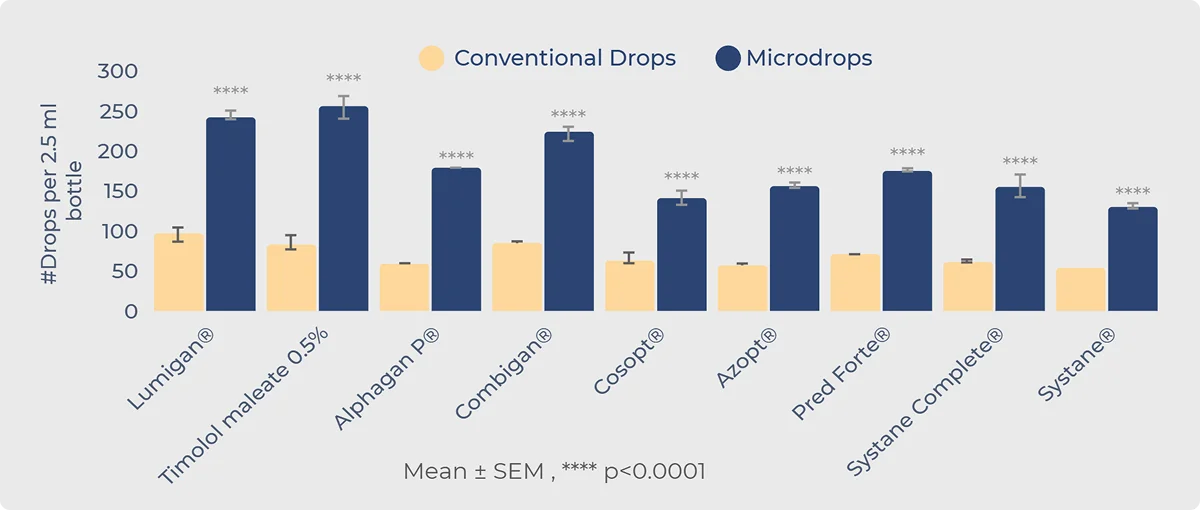

Eliminate the "Refill Gap"
By reducing the drop size to a scientifically ideal volume, you extend the life of the bottle. This ensures your patients have medication until their next refill, improving adherence and reducing the administrative burden of "I ran out" phone calls.
Reduce Side Effects
Smaller drops mean less overflow. This reduces local irritation and minimizes systemic absorption, focusing the medication exactly where it needs to be—in the eye.
Reduce Overhead
Nanodropper isn't just for patients at home. By utilizing Nanodropper in your clinic for diagnostic drops, you can significantly extend your supply, saving your practice money on expensive pharmaceutical overhead.
The Reality of Early Bottle Exhaustion
Are your patients nonadherent, or did they just run out?
Try this next time you are in the exam room: Ask your patients if they ever run out of eye drops a few days, or even weeks before their refill is due. The answer is likely "Yes."
What is Early Bottle Exhaustion? EBE occurs when a patient runs out of medication before their insurance coverage allows for a refill. This gap in therapy, often caused by the wastage inherent in large drops, leads to missed doses, disease progression, and frantic calls to your front desk.

Proven in Peer-Reviewed Studies
Research-Backed Results

Randomized Trial to Evaluate the Efficacy of the Nanodropper Device for Pupillary Dilation and Cycloplegia in Children
Reduction of Eyedrop Volume for Topical Ophthalmic Medications with the Nanodropper Bottle Adaptor
An Evaluation of the Efficacy and Safety of Timolol Maleate 0.5% Microdrops Administered with the Nanodropper
How Nanodropper Fits Your Practice
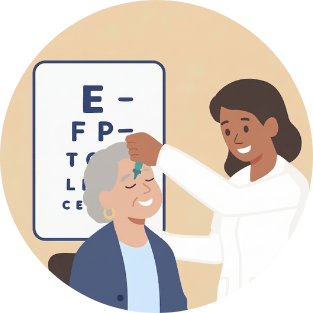
IN-OFFICE USE
Save $1000s on in-office drops
Install on diagnostic and surgical drops
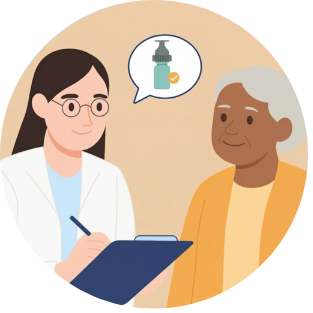
PATIENT DISPENSING
Be proactive with your patient's care
Eliminate the most common barriers to treatment adherence
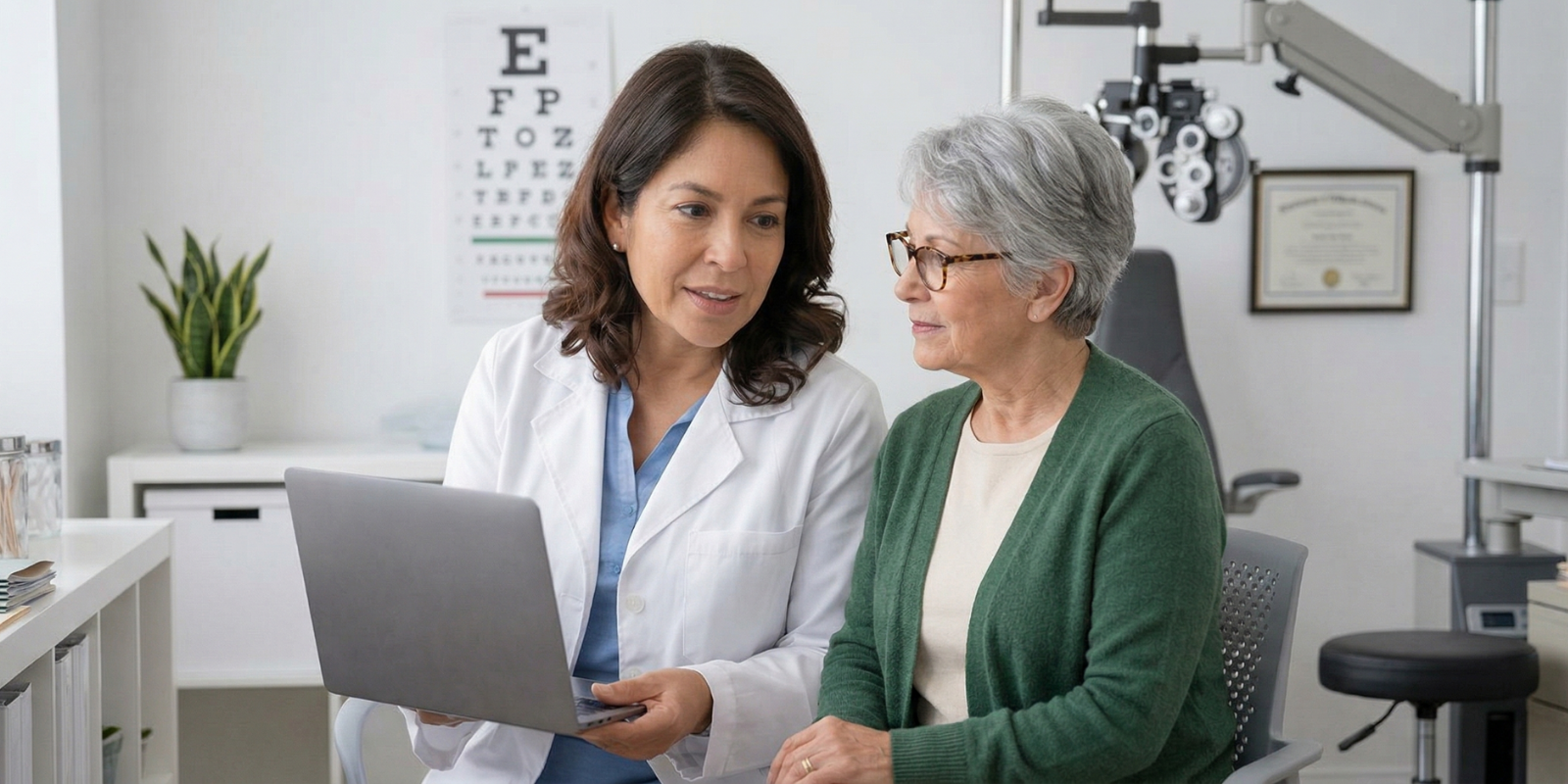
How other clinics are using Nanodropper
While we originally created Nanodropper for glaucoma patients, it is now being used in over 3,000 clinics across all 50 states (and even in space at the ISS!) with the full range of prescription, OTC, and in-clinic drops.
- Glaucoma
- Dry Eye
- Post-Op
- Pediatric Myopia
What Your Colleagues Say
"The way I use Nanodropper, and where it can provide the most value, are patients who are doing really well with a rock inhibitor, but it’s tough for them from a cost standpoint. There are also no generic formulations for those drops. I now have a way to keep them on that drop, not be wasteful, and reduce the amount of bottles they will go through in a year."


Justin Schweitzer, OD
"We have used it for two weeks now and have reduced our dilating drop use by 66%! We are amazed with how well it works and we are also working on how to implement its use in our clinic."
Jay Rudd, MD
"“This is really important for anyone who uses eyedrops on a regular basis…especially for someone with glaucoma, whose medications can get quite expensive.”
Joseph Allen, OD
Getting Started
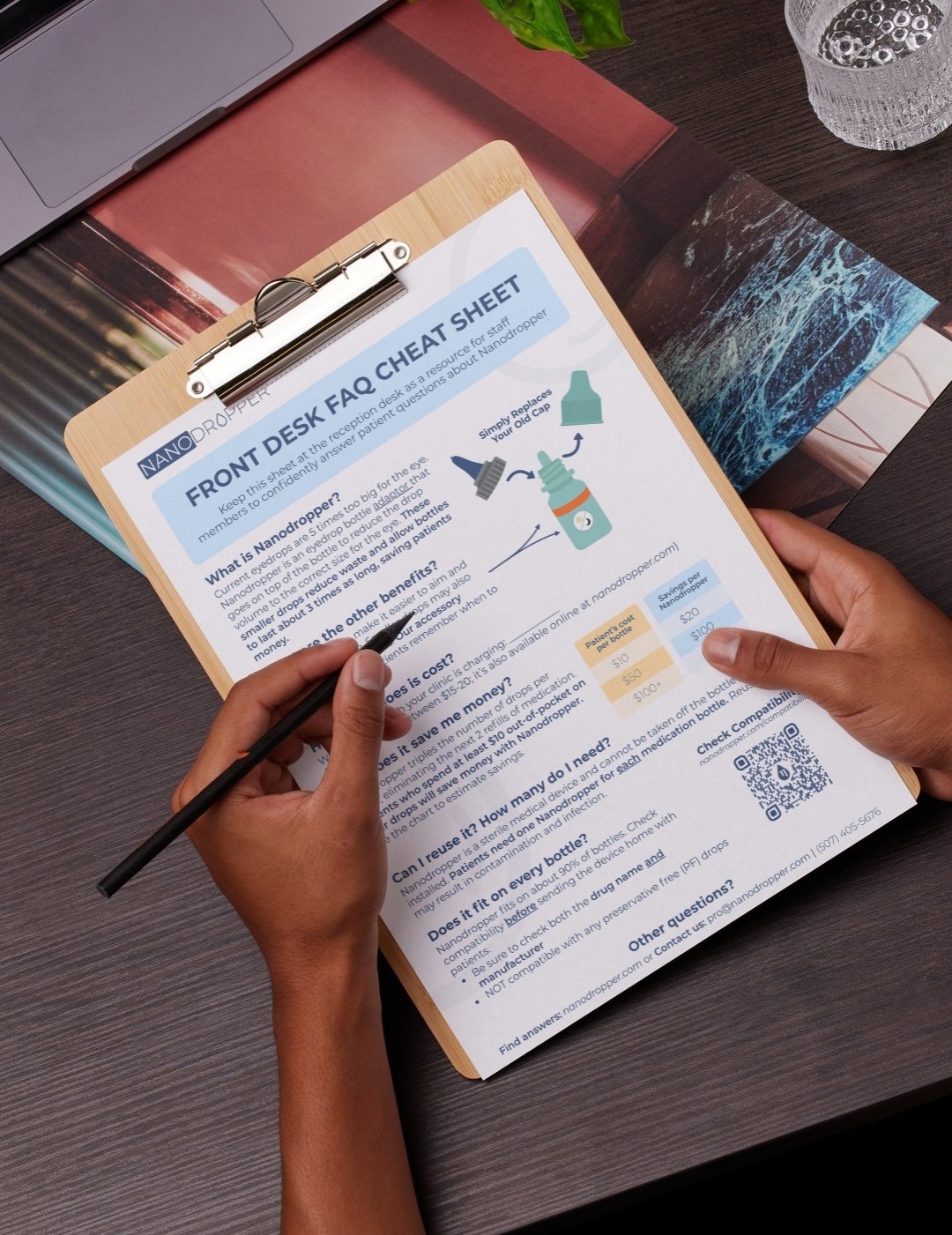
Step 1
Step 2
Step 3